
Understanding moral injury: when telling the truth breaks you and how healing begins
When I exposed misconduct in the pharmaceutical industry, I understood there would be consequences. I was prepared for professional retaliation including loss of income, loss of status, the whisper campaign. But I did not anticipate the deeper rupture and the disorientation that followed. The sense that the world I believed in, where truth and integrity mattered, were no longer relevant.

Trust before Training
The bond between humans and dogs is one of the most enduring and biologically grounded interspecies relationships in history. Long before formal training, commands, or shared routines develop, the human–canine bond is established through a small set of fundamental communicative elements: eye contact, tone of voice, body posture, scent, and gentle physical contact. These basic signals operate at neurological, hormonal, and behavioral levels, creating a foundation of safety and trust. Together, they form the stage upon which a lifetime of attachment, cooperation, and learning is built.
Neoteny and the Modern Dog
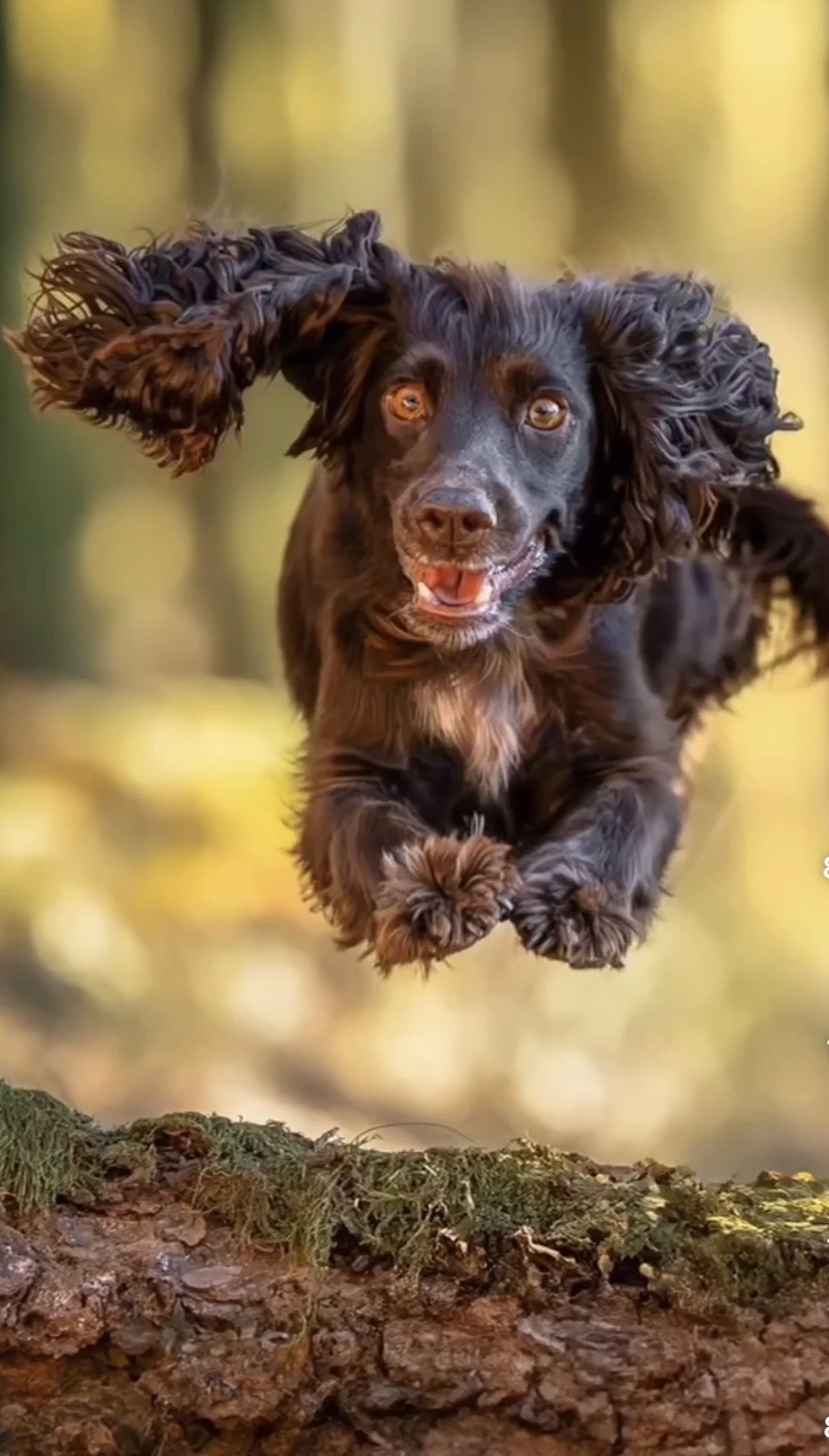
When people wonder why some dogs seem easier to train, more playful, or more people-oriented than others, the explanation often goes deeper than individual effort or training technique. According to canine scientists and behavior professionals, much of the answer lies in biology - specifically in a developmental process known as neoteny and the long history of human-driven selection that shaped the modern dog.
The Neurobiology of Resilience: How the Human-Canine Bond Helps Whistleblowers Heal from Retaliation
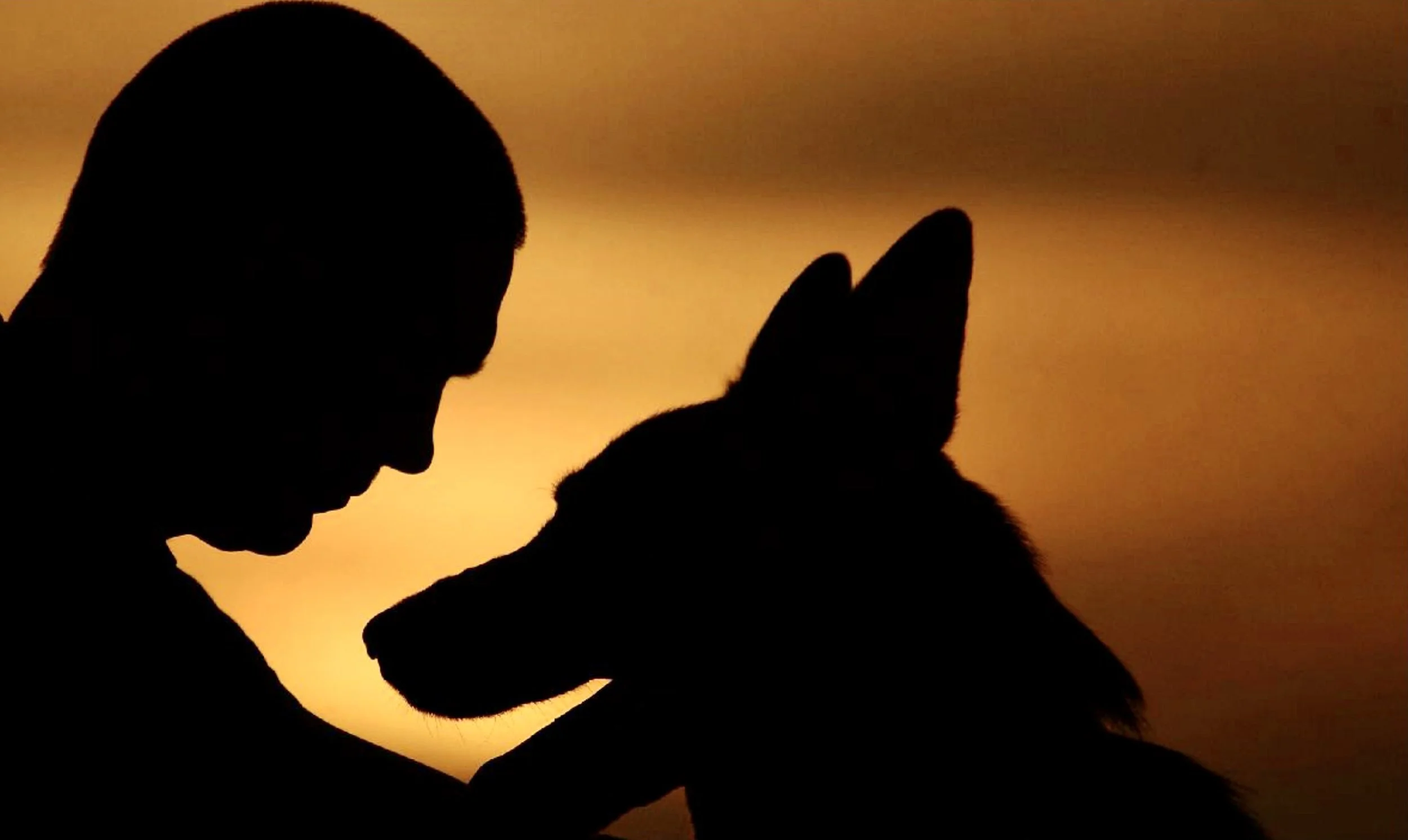
Whistleblowers often pay a steep price for their integrity. The decision to expose misconduct—whether in government, healthcare, or corporate settings—can unleash waves of retaliation that leave the truth-teller unemployed, isolated, and deeply wounded. Research shows that whistleblowers experience rates of stress-related illness, depression, and post-traumatic stress disorder far higher than average workers. The psychological toll is not just professional but existential, shaking one’s sense of safety and trust in others.
Traditional therapies for trauma—cognitive behavioral therapy, mindfulness, medication—are crucial but often incomplete for whistleblowers navigating long-term adversity. Increasingly, science is pointing toward an unexpected but profoundly effective ally in resilience: the human-canine bond…
The Science of Gazing: How Eye Contact Strengthens the Human-Canine Bond
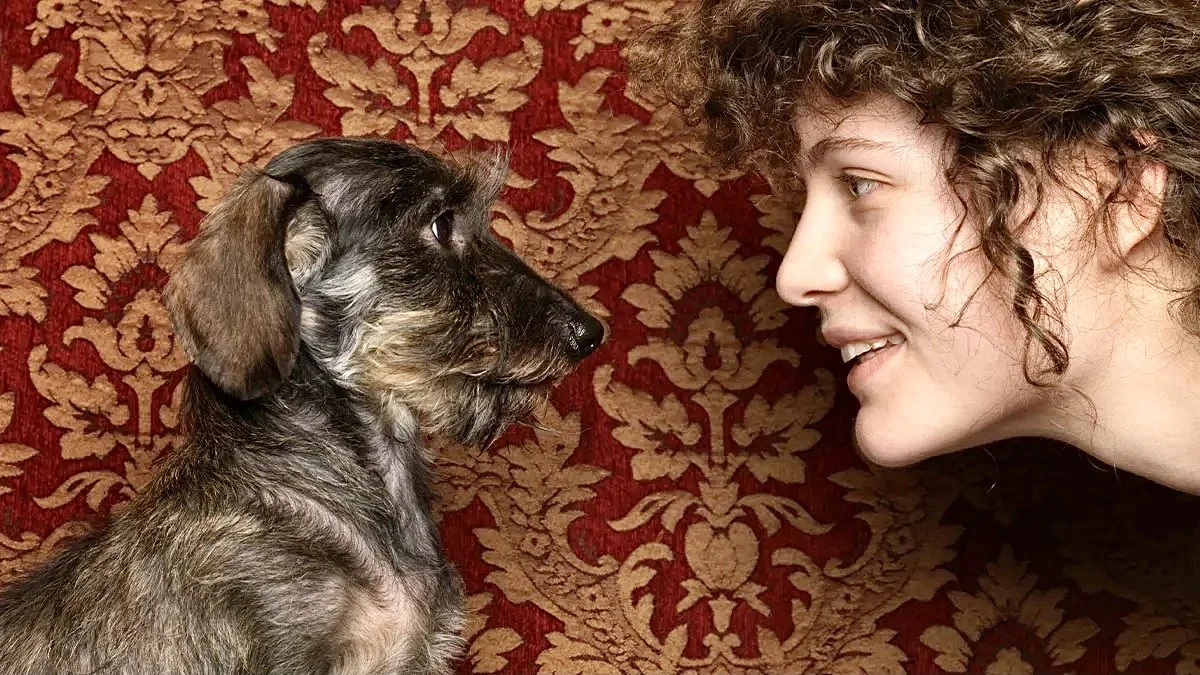
Few moments between people and their dogs feel as profound as looking into each other’s eyes. For many owners, those quiet seconds carry a sense of trust, love, and connection. Science now confirms that these feelings are not only emotional but also biological. Over the past decade, research in canine cognition and neurobiology has revealed that mutual gaze between humans and dogs triggers powerful mechanisms that deepen attachment, regulate stress, and mirror the processes that bond human parents and infants.
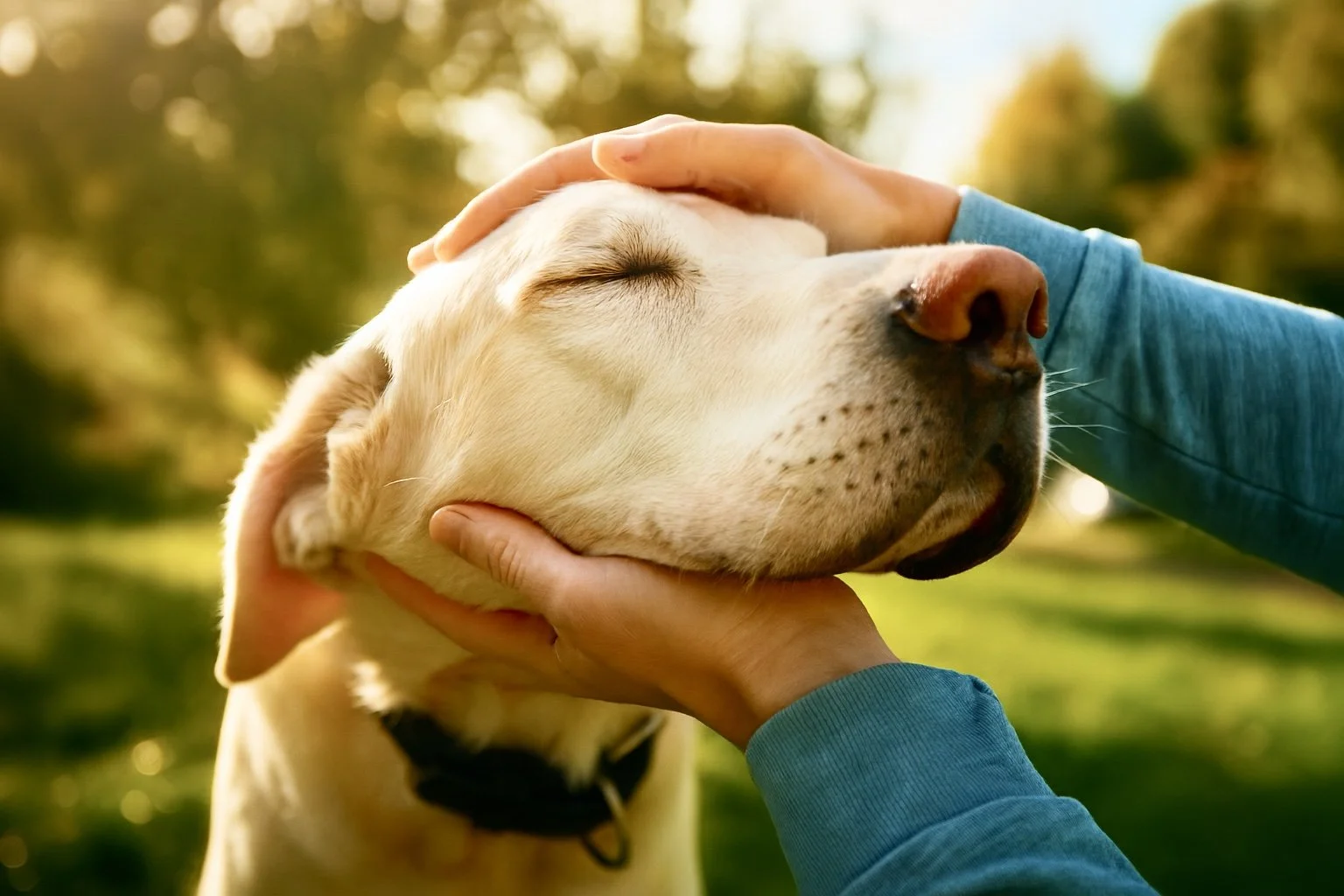
The Neuroscience of Connection: How Dogs and Humans Bond Through Biology
Have you ever wondered why a dog’s wagging tail or excited homecoming routine cheers you up? Wonder no more because there’s strong research confirming that our bond with dogs runs deeper than affection…it’s hardwired into our biology. Through 30,000+ years of co-evolution, dogs have become remarkably attuned to humans-our behavior, our emotions and our physiological states. This connection is deeply rooted in biology, involving brain synchronization, hormone release, and even shared stress patterns. We are neurobiologically intertwined.

Healed by a Leash of Courage: Recovery Through the Power of the Human-Canine Bond
For over a decade, I battled the opioid crisis from two intimate vantage points: as a whistleblower exposing pharmaceutical fraud, and as a mother fighting to save my child from addiction. The price was steep—financial ruin, legal battles, personal grief—but healing came not from the justice system, or even therapy. It came through an ancient biological connection: the human-canine bond.